
MoRTH EV Policy 2026: Subsidies, Road Tax & Green Plates
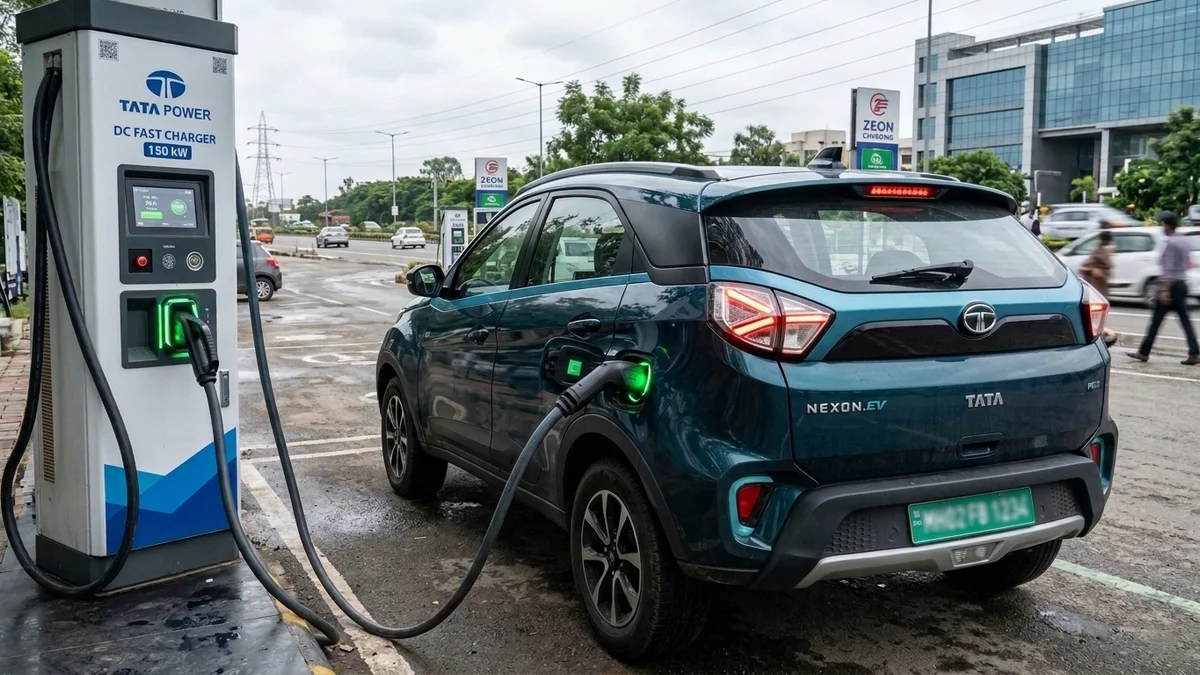
The Ministry of Road Transport and Highways (MoRTH), in coordination with the Ministry of Heavy Industries (MHI), has consolidated statutory regulations governing electric mobility across India. Anchored by the roll-out of the PM E-DRIVE (Prime Minister Electric Drive Revolution in Innovative Vehicle Enhancement) scheme and statutory fee exemptions under the Central Motor Vehicles Rules (CMVR), the regulatory framework grants targeted fiscal and procedural relief to electric vehicle buyers, commercial fleet hauliers, and passenger mobility operators.
Statutory Comparison: ICE Vehicles vs Battery Operated Electric Vehicles
To encourage zero-emission transport, the Government of India provides explicit statutory exemptions from standard vehicle ownership costs. Under MoRTH mandates integrated directly into the centralized Vahan 4.0 vehicle database, pure Battery Operated Vehicles (BOVs) receive relief on registration fees, commercial route permits, and road taxes compared to conventional internal combustion engine (ICE) petrol and diesel vehicles.
| Statutory Parameter | Internal Combustion Engine (ICE) | Battery Operated Electric Vehicle (BOV) | Statutory Rule & Gazette Reference |
|---|---|---|---|
| Registration Certificate (RC) Fee | ₹300 (Two-Wheeler), ₹600 (Private Car), ₹1,000+ (Commercial) | ₹0 (100% Fee Exemption) | Rule 81 CMVR; MoRTH Notification G.S.R. 525(E) |
| State Motor Vehicle Road Tax | 8% to 15% of ex-showroom vehicle invoice price | 0% to 100% Waiver (State-Specific Schedules) | State Motor Vehicles Taxation Acts & Regional EV Policies |
| Commercial Route Permit Mandate | Compulsory route permit required under Section 66(1) | 100% Permit Exemption for passenger & goods transport | Section 66(1) MV Act; MoRTH Notification S.O. 5333(E) |
| Number Plate Background & Font | White background (Private) or Yellow background (Commercial) | Green background: White lettering (Private), Yellow lettering (Commercial) | Rule 50 CMVR; MoRTH Notifications S.O. 1825(E) & S.O. 2793(E) |
| Central Demand Incentive Channel | No central consumer subsidy | Upfront purchase discount via Aadhaar-linked e-Voucher | PM E-DRIVE Scheme; Ministry of Heavy Industries |
| Scrappage Modernization Rebate | Up to 25% tax concession against Certificate of Deposit | Combined state capital subsidies & extended tax rebates | Rule 51A CMVR; Voluntary Vehicle-Fleet Modernization Programme |
| Fitness Certificate Schedule | Every 2 years up to 8 years, then annually (Commercial) | Annual fitness inspection with mandatory traction battery safety checks | Rule 62 CMVR; AIS-038 & AIS-156 safety standards |
PM E-DRIVE Scheme: Operational Scope and the E-Voucher Mechanism
The Ministry of Heavy Industries notified the PM E-DRIVE scheme with an initial financial outlay of ₹10,900 crore, succeeding the FAME-II (Faster Adoption and Manufacturing of Electric Vehicles) framework that concluded on March 31, 2024. The scheme prioritizes mass public transit, commercial logistics, and high-volume commuter two-wheelers:
- Targeted Vehicle Segments: Upfront demand subsidies apply to electric two-wheelers (e-2W), registered electric three-wheelers (e-3W including e-rickshaws and L5 commercial carts), e-ambulances, e-trucks, and state transport undertaking e-buses. Private passenger electric cars (e-4W) do not receive direct consumer subsidies under PM E-DRIVE, remaining reliant on state road tax waivers and GST concessions.
- Electric Vehicle Public Charging Stations (EVPCS): A dedicated ₹2,000 crore allocation supports the deployment of public fast chargers across designated high-density highways and metropolitan centers.
- Testing Infrastructure Modernization: An outlay of ₹780 crore funds testing equipment upgrades across specialized government institutions (including ARAI, ICAT, and CIRT) to enforce compliance with amended battery thermal runaway standards (AIS-156 and AIS-038 Rev 2).
The Aadhaar-Authenticated E-Voucher Workflow
Unlike previous programs that required manual post-purchase dealer paperwork, the PM E-DRIVE framework operates through an instantaneous, paperless e-voucher platform:
- Dealer Point-of-Sale Verification: At the time of booking an eligible electric vehicle, the authorized automobile dealer conducts an Aadhaar-authenticated e-KYC verification using facial recognition or biometric authentication.
- Voucher Generation: The central PM E-DRIVE software generates a unique, serial-numbered e-voucher tied to the citizen's Aadhaar and sends a direct secure download link to the buyer's registered mobile phone.
- Instant Upfront Deduction: The buyer executes the e-voucher digitally, enabling the dealer to deduct the exact statutory subsidy value upfront from the retail invoice.
- Automated Reimbursement: The dealer signs and submits the executed e-voucher to the Ministry of Heavy Industries via the dedicated scheme portal for direct treasury reimbursement. Individual buyers can claim the scheme subsidy for one vehicle per category.
Central Motor Vehicles Rules: Core Statutory Protections
Three specific Central Government statutory instruments define the legal operation of electric vehicles on Indian roads:
1. Complete Registration Fee Exemption (Rule 81 CMVR)
Under MoRTH Notification G.S.R. 525(E), dated August 2, 2021, the Central Government amended serial number 4 of the Table under Rule 81 of the Central Motor Vehicles Rules, 1989. The amendment specifies that Battery Operated Vehicles shall be exempted from the payment of fees for the purpose of issue or renewal of registration certificate and assignment of new registration mark. When registering an electric vehicle, regional RTO software across India suppresses standard RC generation fees.
2. De-Licensing of Commercial Route Permits (Section 66 MV Act)
Under MoRTH Notification S.O. 5333(E), issued under the powers conferred by sub-section (3)(n) of Section 66 of the Motor Vehicles Act, 1988, all battery-operated commercial vehicles (including auto-rickshaws, light commercial goods vehicles, and heavy electric freight trucks) are exempt from statutory route permit mandates. Commercial fleet operators can ply electric goods and passenger carriers inter-state and intra-state without paying regional transport authority route permit fees.
3. Statutory Green Registration Number Plates (Rule 50 CMVR)
Under MoRTH Notifications S.O. 1825(E) and S.O. 2793(E), all pure electric vehicles must display statutory High Security Registration Plates (HSRP) featuring a distinctive green reflective background:
- Private Electric Vehicles: Green background with crisp white reflective alphanumeric lettering.
- Commercial Electric Vehicles: Green background with yellow reflective alphanumeric lettering.
Electric vehicle owners must obtain authorized plates fitted with hot-stamped chromium holograms and non-reusable snap locks via verified vendors under our national HSRP Online Booking and State Directory. Plying an electric vehicle with aftermarket plates or non-compliant reflective film invites fines of ₹5,000 under Section 192 of the Motor Vehicles Act; review traffic enforcement guidelines in our E-Challan Verification Guide.
State-Level Road Tax Waivers and RTO Implementation
Because road tax (Motor Vehicle Tax) falls under Entry 57 of the State List in the Seventh Schedule to the Constitution of India, individual State Transport Departments enact localized EV incentive schedules. When preparing vehicle registration forms (such as RTO Form 20 for registration and Form 21 for the dealer sale certificate), citizens should verify their state's road tax notification:
- Uttar Pradesh: Under the UP Electric Vehicle Manufacturing and Mobility Policy, the state transport commissionerate provides a 100% road tax and registration fee waiver on all EV classes registered in the state. Local RTO operational contacts are accessible via our Uttar Pradesh RTO Directory.
- Delhi: The Delhi Transport Department grants a full 100% road tax waiver for all battery electric vehicles registered within the National Capital Territory. Review regional counter procedures via our Delhi RTO Directory.
- Maharashtra: Maharashtra provides zero-rated motor vehicle taxes for pure electric vehicles alongside additional local purchase incentives for commercial passenger fleets. Complete office details are available on our Maharashtra RTO Directory.
- Haryana & Punjab: The state transport departments provide road tax exemptions and fiscal incentives structured through district transport offices. Check jurisdiction details in our Haryana RTO Directory and master All India RTO Directory.
Citizens seeking customized or high-status registration marks for their electric vehicles can participate in the weekly Parivahan fancy number e-auctions. The green plate standard applies seamlessly to auction marks; consult our guide on VIP and Fancy Number Registration Rules to calculate state reserve fees. For vehicles purchased through retail vehicle financing, ensure your bank completes hypothecation documentation using RTO Form 34 to record clean liens on the Vahan registry.
Frequently Asked Questions
What is the difference between FAME-II and the PM E-DRIVE scheme?
FAME-II concluded on March 31, 2024, after operating through post-sale manual subsidy audits. The PM E-DRIVE scheme carries a ₹10,900 crore outlay that digitizes the entire subsidy process through direct Aadhaar-authenticated biometric e-vouchers, offering instant upfront invoice discounts to consumers while expanding dedicated funding for fast-charging stations and heavy commercial vehicles.
Are electric vehicles completely exempt from RTO registration fees in India?
Yes. Under MoRTH Notification G.S.R. 525(E) amending Rule 81 of the Central Motor Vehicles Rules, pure Battery Operated Vehicles (BOVs) are 100% exempt from the payment of fees for the issuance of new Registration Certificates (RC), assignment of registration marks, and renewal of registration certificates across all Regional Transport Offices in India.
What are the statutory specifications for green number plates on electric vehicles?
Under Rule 50 of the Central Motor Vehicles Rules (Notifications S.O. 1825(E) and S.O. 2793(E)), electric vehicles must display High Security Registration Plates (HSRP) with a green reflective background. Private electric passenger vehicles use white lettering on a green background, while commercial electric vehicles use yellow lettering on a green background.
Do commercial electric vehicles require route permits under the Motor Vehicles Act?
No. Under MoRTH Notification S.O. 5333(E) issued under Section 66(1) of the Motor Vehicles Act, 1988, all battery-operated vehicles are exempt from the requirement of holding commercial transport permits. Commercial electric autos, delivery vans, and heavy trucks can operate inter-state and intra-state without permit renewal fees.
Can an EV owner retain or bid for a VIP fancy number on a green plate?
Yes. Electric vehicle owners can register for Parivahan online fancy number auctions to reserve numbers such as 0001, 0786, or 9999. The assigned VIP mark is stamped onto an authorized statutory green plate with the mandatory laser serial code and chromium hologram.
Which states in India offer 100% road tax waivers for electric vehicles?
Major states providing 100% road tax exemptions for battery-operated electric vehicles include Uttar Pradesh, Delhi, Maharashtra, Tamil Nadu, and Karnataka. Citizens should consult their district RTO office through our statutory directories to confirm specific validity windows and commercial rebate slabs.