GSTN Adds Metro Rail as Fifth Official Mode of Transport on E-Way Bill Portal Under CGST Rule 138(2A)
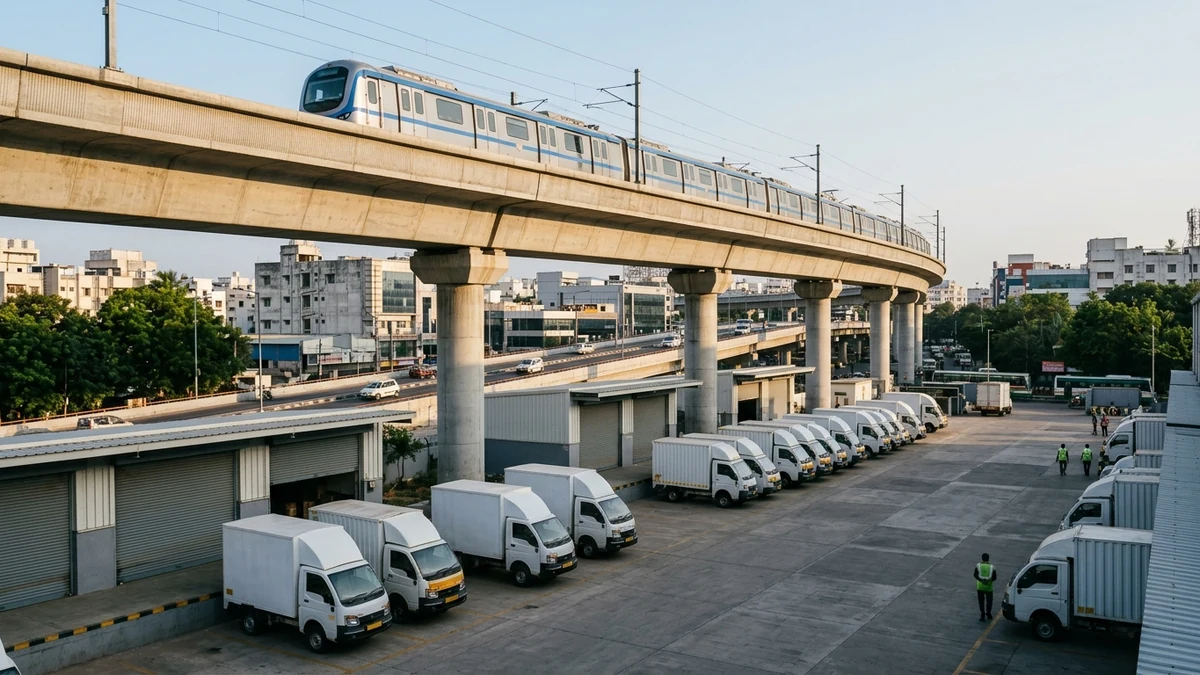
The Goods and Services Tax Network (GSTN) issued Advisory No. 689 on November 20, 2026, adding Metro Rail as the fifth official mode of transport inside India's E-Way Bill portal. The technical rollout implements Central Tax Notification No. 05/2026 dated October 26, 2026, which amended Rule 138(2A) of the Central Goods and Services Tax (CGST) Rules, 2017 with effect from November 1, 2026.
Before this amendment, electronic waybills restricted consignors and logistics operators to four transport modes: Road, Rail, Air, and Ship. Urban metro rail operators running non-peak freight, courier, and B2B parcel services now fall under the same statutory documentation framework as Indian Railways, meaning metro authorities are legally barred from delivering goods unless a valid E-Way Bill carrying matching transport details is produced.
GSTN E-Way Bill Metro Rail Rollout Status and Portal Modules
GSTN has deployed the Metro Rail mode across core E-Way Bill workflows, with immediate production access for web and spreadsheet filers and parallel sandbox testing for enterprise ERP integrations:
| Portal Channel / Requirement | Current Status (Nov 2026) | Operational Scope for Transporters |
|---|---|---|
| Web Portal & Excel Utility | Live in Production | Immediate filing access on ewaybillgst.gov.in for all taxpayers and registered transporters |
| API / ERP Integration | Sandbox Testing Active | Logistics software vendors can validate payloads ahead of a separately notified production date |
| Enabled E-Way Bill Modules | 5 Workflows Supported | E-Way Bill Generation, Part-B Updates, Vehicle Updates, Consolidated E-Way Bill Generation, and Re-generation |
| Transport Document Number | Mandatory Field | Consignors must enter the Metro Rail booking receipt or transport document number before final submission |
| Goods Delivery Rule (CGST Rule 138(2A)) | Legally Binding from Nov 1, 2026 | Metro rail corporations cannot release consignments unless a valid E-Way Bill matching transit records is presented |
Compliance Steps for B2B Couriers and Commercial Fleet Operators
For consignments valued above Rs 50,000 moving across urban corridors via metro freight coaches, logistics aggregators frequently combine last-mile commercial vans with middle-mile rail transit. Under the updated workflow, shippers must select Metro Rail rather than Road or Rail when generating Part-A or updating Part-B at transfer hubs.
Dispatch teams operating multimodal road-to-metro routes should verify the Transport Document Number issued by the metro operator before submission and update vehicle registration numbers in Part-B whenever cargo shifts back to road carriers. Fleet owners whose commercial goods vehicles face VAHAN blocks due to pending highway toll notices can review our coverage on FASTag dues and VAHAN RTO blocks.
ewaybillgst.gov.in.